Explore the captivating narrative of Irvine, a city with a rich history dating back to prehistoric settlements.
This account delves into the significant influences shaping Irvine’s transformation from the Gabrielino Indians’ home to today’s economic powerhouse.
Highlighting pivotal figures, transformative events, and the city’s commitment to quality living, we comprehensively understand Irvine’s remarkable journey.
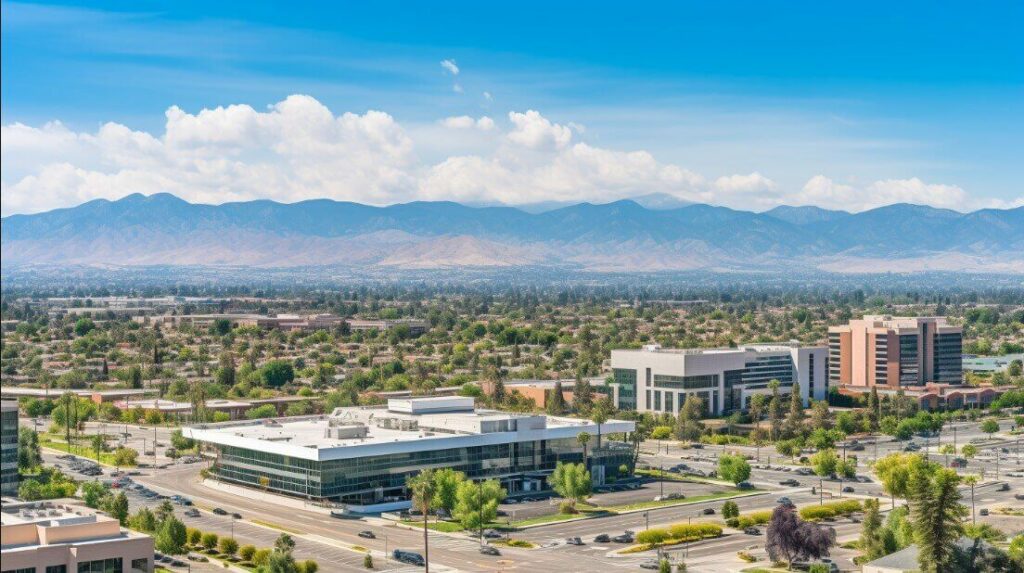
Fulfill your curiosity about this dynamic city’s past and its innovative strides toward the future.
The Origins and Early Inhabitants of Irvine
In the early history of what is now known as Irvine, archaeological research suggests the presence of human settlements dating back as far as 12,000 to 18,000 years, with evidence of campsites and rock shelters found in the undeveloped parts of the city.
Approximately 2,000 years ago, the Gabrielino Indians established multiple villages throughout the area, demonstrating a sophisticated understanding of their environment by relying upon shellfish, waterfowl, and land animals for sustenance.
They showcased skill and creativity in their crafts, such as basket weaving and creating seashells and stone jewelry.
This early history of Irvine paints a vivid picture of a dynamic and thriving community that was innovative in its adaptation to the natural world.
Spanish and Mexican Influence on Irvine’s Development
Spanish explorer Gaspar de Portola arrived in the region in 1769, marking a significant shift in the cultural and socio-economic dynamics of the area that would later become part of a prominent Californian ranch.
During this exploration, he introduced Spanish forts, missions, and vast cattle herds, disrupting the pre-existing Gabrielino Indian life.
The subsequent Mexican secularization of these missions led to land distributions in the form of ranchos to citizens, forever altering the landscape.
Three substantial Spanish/Mexican grants, Rancho Santiago de Santa Ana, Rancho San Joaquin, and Rancho Lomas de Santiago, formed the land that later became the expansive Irvine Ranch.
This transformative period has ignited a new chapter in Irvine’s history, laying the foundation for future innovation and growth.
Transition From Ranchos to Private Ownership
Transitioning from the Spanish and Mexican ranchos era, the landscape of what would become Irvine underwent a dramatic shift in ownership and land use following the Mexican-American War and the Congressional Act of 1851.
This Act required landowners to reapply for their titles, leading to the dissolution of Rancho Santiago de Santa Ana and the division among claimants.
Irvine, Flint, and Bixby acquired the vast expanse of Rancho San Joaquin and Rancho Lomas de Santiago.
Read more: Discover the Hidden Gems of Mason Regional Park in Irvine
Over time, James Irvine purchased his partners’ interests, effectively becoming the sole owner of an impressive 110,000-acre Irvine Ranch.
Initially used for sheep grazing, the ranch transformed into a vast agricultural landscape under Irvine Jr., paving the way for the innovative, dynamic city we recognize today.
James Irvine’s Impact and the Development of Irvine Ranch
James Irvine’s acquisition in 1878 of the entire 110,000-acre ranch marked a pivotal moment in the area’s transformation, with his subsequent decisions significantly shaping the future of the land that would become a dynamic and prosperous community.
This marked the beginning of the Irvine Ranch, a name synonymous with innovation and development.
Initially used for sheep grazing, the ranch soon shifted to tenant farming under Irvine’s direction.
His son, James Irvine Jr., further diversified the ranch operations into field crops and citrus orchards after inheriting the ranch in 1893.
This strategic land utilization laid the foundation for the future city, showcasing a blend of agricultural heritage and forward-thinking urban planning that characterizes Irvine today.
The Incorporation and Growth of Irvine as a City
Following its incorporation in 1971, the community experienced rapid growth, with the population exceeding 250,000 by 2015 and expected to reach an estimated 318,000 by 2035.
This surge was driven by the city’s focus on creating a robust economy, supporting quality education, and fostering a safe, environmentally friendly community.
The city’s dedication to innovation can be seen in its support for over 21,000 licensed businesses, its contribution of $9.1 million annually to public schools, and its commitment to maintaining a high-quality environment.
Irvine’s ongoing growth is a testament to its dedication to strategic planning and innovation.
It creates a vibrant and prosperous community that honors its rich history while continually looking to the future.
Community Engagement and Events in Irvine
Community engagement and events are pivotal in fostering a sense of belonging and unity among residents, contributing to this rapidly growing municipality’s vibrant and dynamic atmosphere.
The city’s rich history, from its origins as Gabrielino Indian settlements and Spanish ranchos to its development as a modern urban hub, is reflected and celebrated in its diverse community activities.
Events such as the Mid-Autumn Festival, Comedy Unleashed fundraiser, and Blood Drive are testament to Irvine’s commitment to cultural celebration, philanthropy, and public health.
These initiatives reflect the city’s innovative approach to fostering community spirit and its dedication to ensuring the well-being of its citizens.
Through these engagements, Irvine continues to thrive and evolve, embodying the essence of its historical roots while driving toward a prosperous future.
City Services and Statistical Overview of Irvine
A comprehensive array of services, from online assistance to public support, is provided to the residents, enhancing the overall quality of life in the municipality.
Irvine’s rich history has led to a robust city infrastructure, complete with a public website for easy access to city services.
With the population expected to reach 318,000 by 2035, the city has over 200,000 jobs and more than 21,000 licensed businesses, indicating a thriving economy.
The City Council firmly commits to education, contributing $9.1 million annually to public schools.
This focus on quality environment, public safety, economic prosperity, and effective government is a testament to Irvine’s innovative approach to municipal management, rooted in its historical evolution.